The Blow That Didn’t Come
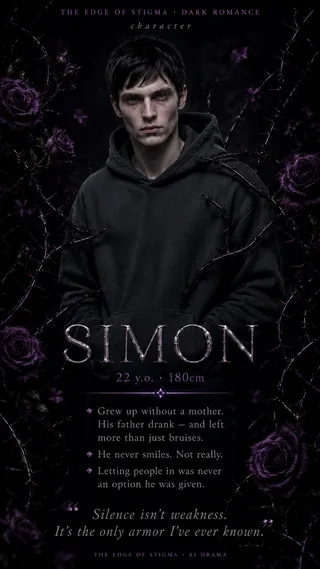
“That was the strangest part — the way his body reacted to an absence.” Craig is coming down the row. Simon’s body decides for him: back against the metal, shoulders up, stomach pulled in, eyes lowered to the level of the other’s hands, “the hands you need to see in order to know when.” Craig walks past. “That was the strangest part — the way his body reacted to an absence. It had braced for a blow and hadn’t gotten one, and now it didn’t know where to put everything it had gathered.” The relief is so “shamefully strong” that he leans the back of his head against the locker. “And then his head caught up with his body and assembled, from what he’d seen, the only conclusion it knew how to make.”
Two mechanisms in a single minute. The first: the watchman is back at his post — after the kitchen, the body is counting other people’s hands again, and the blow that never came discharges as a tremor of relief, as after real danger. The second is more dangerous: the head builds an explanation out of the details available — the suspension lifted, Craig silent, “so the leash was on again, and it had been put on by the one who knew how.” Traumatized thinking looks not for the truth but for the most familiar causality; the familiar one here is Jacob. Simon once again walks “down the middle, where everyone walks,” and no one shoves him. The author lets the reader see what the hero does not: silence is not protection.